
⭐⛑️ Workplace Readiness: Health and Safety Workshop Recap! ⭐⛑️
YRES Summer Workshops 2026 July 14th 2026 By: Jeff, Volunteer Manager at YRES
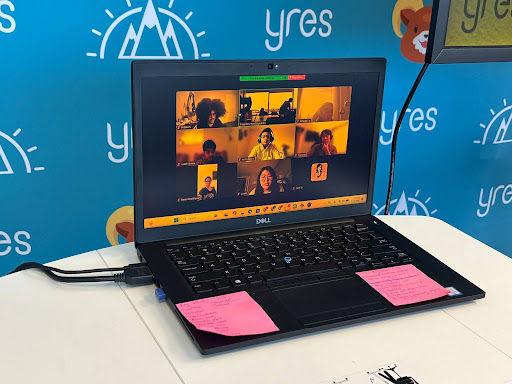
On July 14th 2026, YRES hosted another session in our Workplace Readiness Summer Workshop series, this time focusing on Health and Safety. The workshop gave volunteers the opportunity to learn why workplace safety matters, how to recognize potential concerns, and what steps they can take when they notice a hazard, near miss, or incident.
The session began with a short introduction from the workshop team, followed by an icebreaker where participants described their phone or desktop screen while others guessed what it was. This activity helped start the workshop in a relaxed and interactive way before moving into the main topic.
During the first part of the workshop, participants discussed how health and safety can affect not only the individual, but also the entire team and workplace. The presentation highlighted that a safe workplace can lead to fewer injuries, less stress, stronger communication, better productivity, and greater trust among team members.
One of the key topics covered was the difference between a hazard, a near miss, and an incident. Participants learned that a hazard is something that could cause harm, a near miss is something that almost caused harm but did not result in injury, and an incident is when harm, injury, damage, or illness actually occurs. A major takeaway from this section was that even small concerns should be reported because they may help prevent future incidents.
The workshop also explored why people sometimes avoid reporting safety concerns. Common reasons included fear of getting in trouble, worrying about being judged, thinking the issue is “not a big deal,” assuming someone else will report it, or not knowing how to report the concern. This led to an important discussion about how small hazards can become larger issues when nobody speaks up.
Participants were then introduced to the Safety Response Framework:
Spot — What could cause harm? Assess — Who could be affected, and how serious is it? Act — What can be done immediately and safely? Report — Who needs to know, and what details matter?
Using the example of a loose electrical cord across a walkway, participants practiced thinking through each step. They identified the cord as a trip hazard, considered who could be affected, discussed how to keep others away from the area safely, and learned what details should be included when reporting the concern.
Another important part of the workshop focused on how to report concerns clearly. Participants learned to explain what they observed, describe the risk, ask for the next step, and record important details. For example, instead of saying “this area is unsafe,” participants were encouraged to be specific: “There is water leaking beside the front entrance. People are walking through the area, and someone could slip.”
The workshop also covered different types of workplace warning signs, including physical, chemical, biological, ergonomic, psychosocial, and procedural hazards. Participants were asked to think about which types of hazards might be easiest to ignore until they become serious, encouraging them to look beyond obvious risks and consider concerns such as stress, unclear instructions, or missing emergency procedures.
To make the session more interactive, participants also took part in Blooket activities that tested their understanding of key workshop concepts. These activities helped reinforce the differences between hazards, near misses, and incidents, as well as the steps in the safety response framework.
Toward the end of the session, participants discussed real-life scenarios, including what to do if a coworker is overworked and drowsy, or if a new worker has not received proper information about fire exits, first aid kits, and emergency procedures. These scenarios helped connect the workshop content to situations volunteers and workers may actually encounter.
The workshop ended with personal reflection questions, where participants were encouraged to think about whether they had ever faced health and safety concerns before, how they responded, and what they might do differently in the future.
Overall, the Workplace Readiness: Health and Safety workshop helped participants build practical awareness about identifying risks, reporting concerns, and contributing to a safer and more supportive environment. By learning how to spot issues early and speak up appropriately, volunteers gained skills that can help them in future workplaces, volunteer roles, and community settings.
This is Jeff signing off!




Comments